
-
 Llámenos +0757 82252350
 -
 Envíanos un correo electrónico manager@gdboanmachine.com


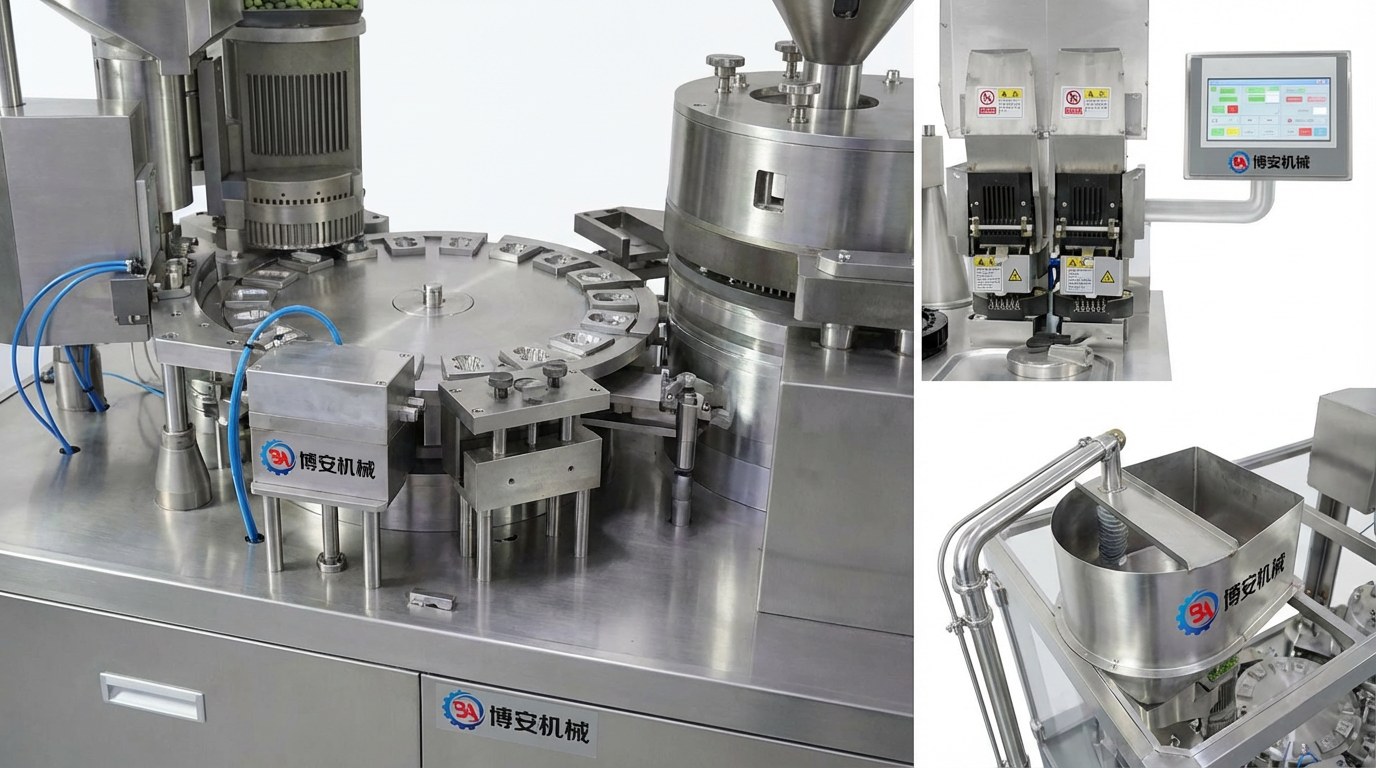
En las industrias farmacéutica, nutracéutica y de fabricación de suplementos, lamáquina llenadora de cápsulas(también conocido como llenador de cápsulas oequipo de llenado de cápsulas) es fundamental para mejorar la eficiencia y garantizar la precisión de la dosificación. Navegar por la variedad de opciones, desdemáquinas manuales de llenado de cápsulasamáquinas llenadoras de cápsulas totalmente automáticas—puede ser desalentador. Seleccionar el tipo incorrecto puede provocar cuellos de botella en la producción, calidad inconsistente del producto e incumplimiento de las normas regulatorias.
Esta guía le servirá como guía completaGuía del comprador de máquinas llenadoras de cápsulasTe ayudaremos a responder la pregunta,"Cómo elegir una máquina llenadora de cápsulas"explorando diferentes tipos (incluidossemiautomáticoymáquinas de llenado de cápsulas líquidas), proporcionando un marco claro para la toma de decisiones y abordando preguntas comunes como"Precio de la máquina llenadora de cápsulas".Nuestro objetivo es capacitarlo para que tome una decisión informada al evaluar diferentesfabricantes de máquinas de llenado de cápsulas.
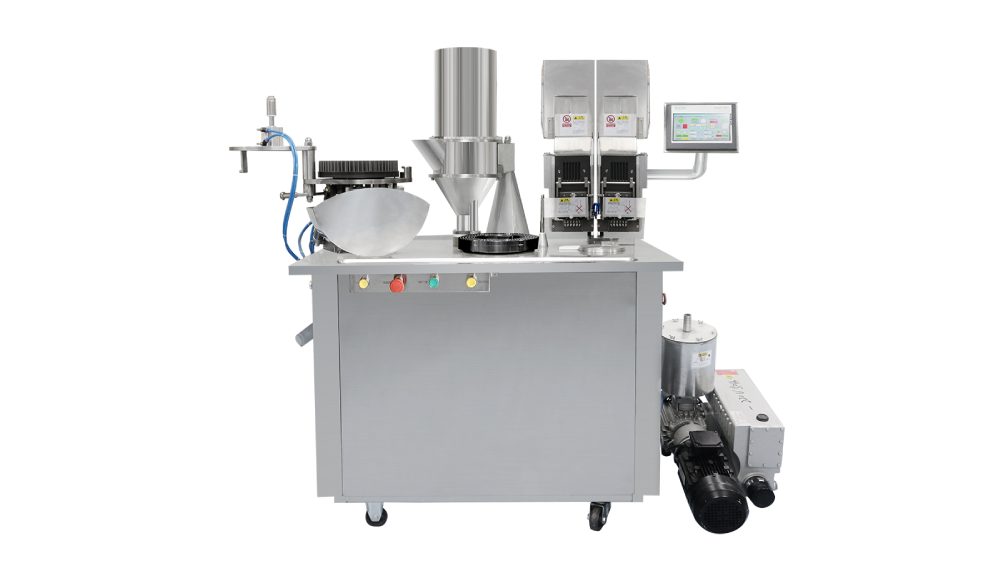
El primer paso es definir sus necesidades de producción. Las encapsuladoras se dividen en cinco categorías principales, cada una diseñada para escalas y etapas de operación específicas.
Máquinas manuales de llenado de cápsulas
El escenario:Este es el punto de entrada más básico y económico, que depende completamente de la operación humana. Está diseñado específicamente paraProducción de muy bajo volumen, I+D, preparación de muestras para ensayos clínicos o empresas emergentesResuelve la necesidad central de procesamiento flexible en lotes pequeños sin la importante inversión inicial en equipos más grandes.
Salida típica:Decenas a unos cientos de cápsulas por hora.
Máquinas de llenado de cápsulas semiautomáticas
El escenario:Estas máquinas automatizan pasos críticos como la clasificación y el llenado de cápsulas, sin necesidad de carga manual. Representan la mejora ideal de los procesos manuales, equilibrando a la perfección...El dilema de la eficiencia frente a los costes para las pequeñas y medianas empresasOfrecen un rendimiento significativamente mejorado y al mismo tiempo mantienen una complejidad de adquisición y operación relativamente menor.
Salida típica:Desde varios miles hasta más de 40.000 cápsulas por hora.
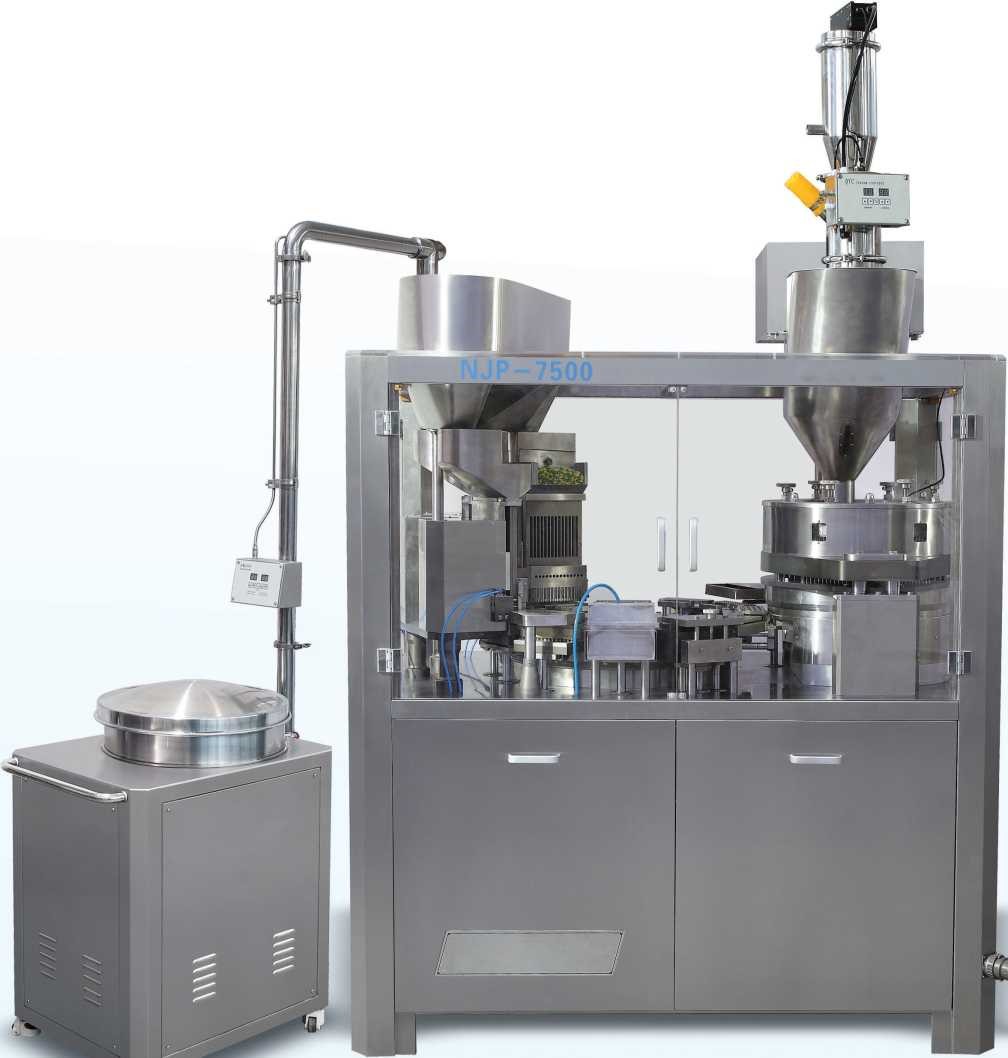
Máquinas de llenado de cápsulas totalmente automáticas
El escenario:Se trata de sistemas de alto rendimiento y funcionamiento continuo diseñados paraplantas farmacéuticas o nutracéuticas a gran escala. Abordan los principales puntos débiles deMaximizar la producción, lograr una consistencia de dosis incomparable y minimizar la dependencia de la mano de obra.Son esenciales para cumplir con los estrictos requisitosBPF (Buenas Prácticas de Fabricación)estándares y lograr economías de escala.
Salida típica:Hasta cientos de miles de cápsulas por hora.
Máquinas de llenado de cápsulas líquidas
El escenario:Diseñados específicamente para envasar aceites, suspensiones y otras formulaciones líquidas en cápsulas duras de dos piezas. Amplían su cartera de productos para incluir artículos comosuplementos de aceite de pescado o vitamina E, aunque requieren una atención cuidadosa en la limpieza y validación del proceso.
Salida típica:Normalmente entre 15.000 y 60.000 cápsulas por hora.
Máquinas de encapsulación de cápsulas blandas
El escenario:Esta es una categoría específica para la producción de cápsulas de gelatina blanda selladas de una sola pieza. Atienden a mercados que requieren...Alta biodisponibilidad, enmascaramiento del sabor o encapsulación de formulaciones líquidas/pastosas., atendiendo formatos de productos diferenciados y experiencias de consumidor.
Una vez que haya identificado el tipo de máquina adecuado, concéntrese en estas características críticas que definen unamáquina llenadora de cápsulas de alta precisióny garantizar el retorno de su inversión.
| Consideración | Preguntas clave y consejos de compra |
|---|---|
| Capacidad y automatización | Evalúe su producción actual y proyectada para los próximos 3 años para encontrar el equilibrio adecuado entremanual, semiautomático y completamente automáticosistemas. |
| Precisión y consistencia | Pregunte sobre la variación del peso del llenado (normalmente ±1-3% paraalta precisiónrequisitos) y examinar el sistema de dosificación (por ejemplo, sinfín de precisión) y cualquier capacidad de monitoreo en tiempo real. |
| Compatibilidad y flexibilidad | Verifique que la máquina permita cambios rápidos entre diferentes tamaños de cápsulas (por ejemplo, #000 a #5) y pueda manejar sus características específicas de polvo, gránulo o pellet. |
| Construcción y Cumplimiento | El marco central y las piezas de contacto deben seracero inoxidable (preferiblemente grado SUS 304 o 316)Para mayor durabilidad y facilidad de limpieza, diseñado como un verdaderoMáquina llenadora de cápsulas que cumple con las normas GMP. |
| Costo total de propiedad | Mira más allá de lo inicialPrecio de la máquina llenadora de cápsulasTenga en cuenta la facilidad de limpieza, el costo de las piezas de repuesto (como discos dosificadores y sellos) y el soporte técnico y el servicio de repuestos del fabricante. |
P1: ¿Cuál es el primer paso en "cómo elegir una máquina llenadora de cápsulas"?
A:El primer paso es cuantificar sus necesidades. Defina la producción diaria/semanal de cápsulas que necesita, las características físicas de su material de relleno (¿polvo, gránulo, líquido?) y cualquier estándar regulatorio (como las BPM) que deba cumplir. Esto le ayudará a definir su enfoque y a decidir si priorizar unamáquina llenadora manual de cápsulaso unasistema de llenado de cápsulas totalmente automático.
P2: ¿Por qué es tan importante el énfasis en el diseño “acero inoxidable” y “GMP”?
A: Acero inoxidableEl acero inoxidable (especialmente los grados 304/316) es el material de referencia para equipos farmacéuticos. Garantiza la resistencia a la corrosión y permite una limpieza y desinfección eficaces, fundamentales para la seguridad del producto.Diseño GMPSignifica que la máquina está construida sin zonas muertas sanitarias, tiene acabados superficiales de alta calidad y cuenta con documentación que respalda su validación. Esta es la base para superar las auditorías y producir productos conformes.
P3: ¿Qué costos a menudo se pasan por alto al evaluar el "precio de la máquina llenadora de cápsulas"?
A:Además del precio de compra, considere: 1) El costo de las piezas de repuesto para diferentes tamaños de cápsulas; 2) Los gastos futuros en piezas de desgaste, como sellos y cabezales dosificadores; 3) Los costos de instalación, validación y capacitación del operador; 4) La capacidad de respuesta del servicio posventa del proveedor y el precio de las piezas de repuesto. Una inversión inicial ligeramente mayor en una máquina bien diseñada y con buen soporte técnico suele resultar en un menor costo total de propiedad.
P4: ¿Cómo puedo verificar si un "fabricante de máquinas llenadoras de cápsulas" es confiable?
A:Un fabricante confiable generalmente: 1. Proporciona documentación técnica detallada y archivos de cumplimiento; 2. Está dispuesto a organizar una visita al sitio o una prueba con su propio material; 3. Tiene términos de servicio posventa claros y una trayectoria comprobada. Evaluar si se especializan en equipos comomáquinas llenadoras de cápsulas de alta precisiónTambién es un indicador clave de su experiencia.
Seleccionar lo correctoequipo de llenado de cápsulasEs una decisión multifacética. Le recomendamos:
Evaluar con una lista de verificación:Utilice las dimensiones de la Parte 2 para crear su lista de verificación de requisitos específicos.
Solicitar una prueba de material:Pregunte a los preseleccionadosfabricantes de máquinas de llenado de cápsulasRealizar una prueba con el mismo polvo o gránulo. Esta es la prueba de concepto más fiable.
Piense en una asociación a largo plazo:Considere a su proveedor como un socio a largo plazo. Evalúe exhaustivamente el rendimiento de sus máquinas y su diseño de cumplimiento.BPF) y ecosistema de soporte postventa.
Esperamos que estoGuía del comprador de máquinas llenadoras de cápsulasProporciona un camino claro hacia adelante. Si tiene preguntas específicas durante el proceso de evaluación, nuestro equipo de ingeniería está listo para brindarle asesoramiento técnico adicional.

 Jinhai Plaza, No. 21, Jihua 5th Road, Chancheng District, Foshan City, Guangdong Province, China
  +0757 82252350
  +8618613054883
  manager@gdboanmachine.com